National Context
Ethiopia's Economic Growth & Investment Appeal
Ethiopia's Economic Growth & Investment Appeal
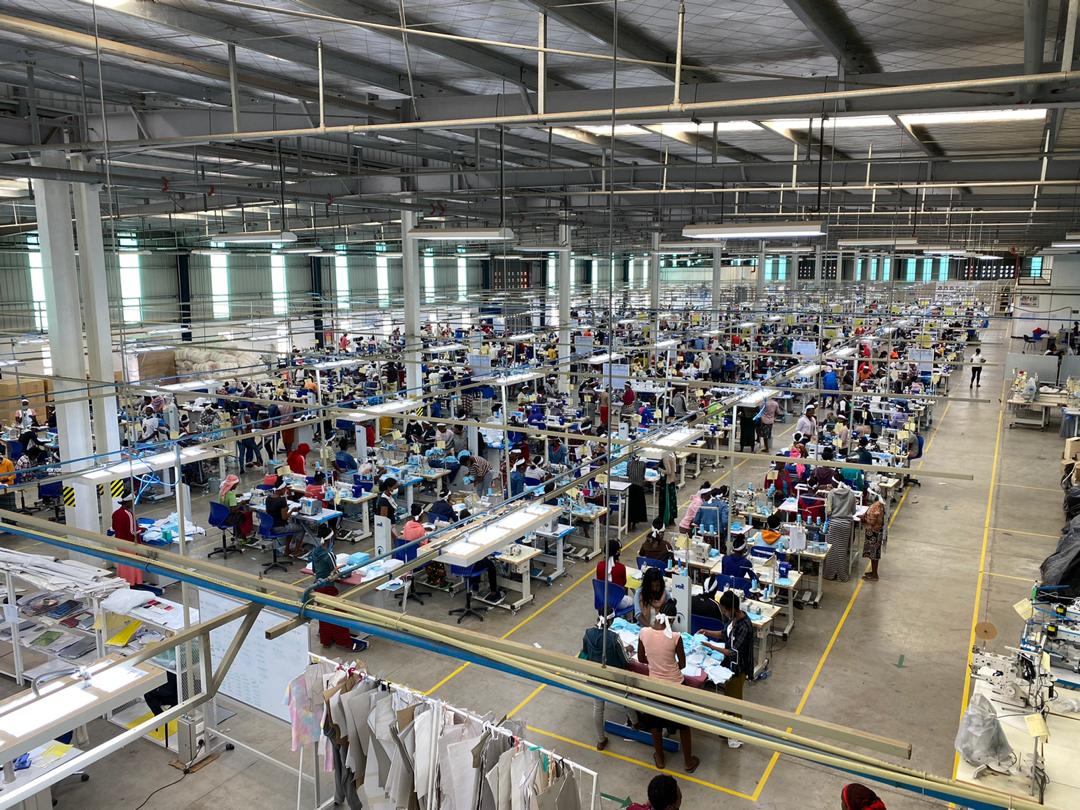
NASA Garment, an export-oriented garments manufacturer, is located in Ethiopia. Situated in the Horn of Africa, Ethiopia boasts a population exceeding 120 million.
With an impressive average growth rate of 10% since 2010, Ethiopia is poised to become a leading economic hub on the African continent.
As the second most populous country in Africa, after Nigeria, Ethiopia's demographic landscape is youthful, with over 110 million people, two-thirds of whom are under the age of 30.
Factors such as a reform-oriented government, competitive labor costs, a robust national airline network, and expanding consumer markets make Ethiopia an attractive destination for foreign investment.
Despite challenges, the Ethiopian government is actively pursuing an ambitious economic reform agenda. Recent initiatives include updating commercial laws, introducing new investment regulations, facilitating foreign telecom operator entry, and outlining plans for financial sector liberalization.
Ethiopia was Africa's fastest growing economy in sub-Saharan Africa in 2021
Ethiopia is on track to being Africa's Industrial powerhouse by 2025 by means of achieving $30 Billion worth of garments export
The government has planned to raise the number of industrial parks to 30 in the next three years from the current 9 which are operational
Competitive labor costs make Ethiopia an attractive manufacturing destination
Proven track record in international trade and export capabilities
Duty-free access to the European Union market, Japan and Canada
Open market policies that encourage foreign investment
120 million people providing a substantial domestic market
Microeconomic policies and foreign exchange regulations that support business
Minimal lease period requirements for industrial development
Political stability that ensures business continuity
Very low cost of electricity for industrial operations